30 November 17 · Original Content
Accessibility in Theatre: A Chat With Director Fauve Alice
Originally published by Jennifer Richards

How do you create theatre for people who are too often ignored in this industry? Read Editor Jennifer Richards’ Q&A with director Fauve Alice to find out…
Spare Tyre are a theatre company that produce bold and powerful performances that not only includes, but are driven by those who are usually voiceless when it comes to theatre.
Their desire to empower participants and artists to make sure theatre, dance and music is something open for all is a view all theatre-makers should share, yet accessibility in theatre (both in terms of those attending, but also with who is on stage) is limited.
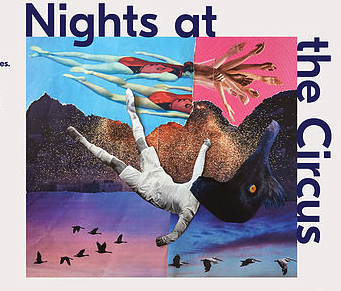
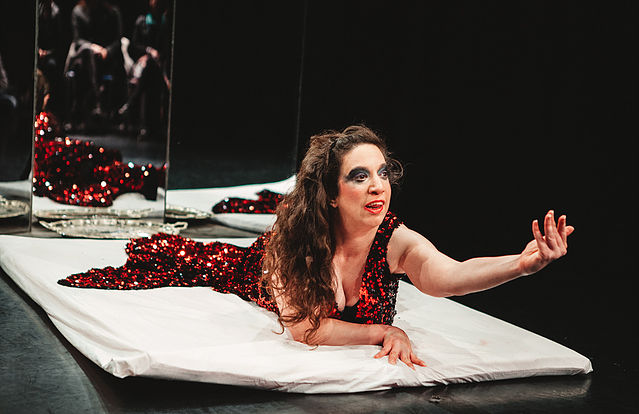
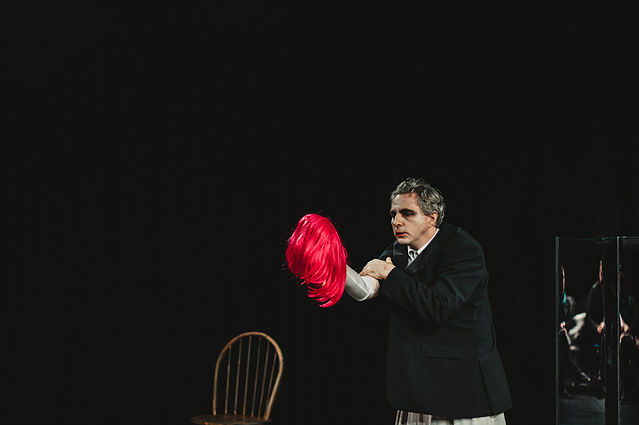
I got the chance to see their recent production Nights at the Circus, which was an arresting performance exploring sex, desire and violence in a post-apocalyptic world where the circus is being forced to continue their show every night.
This performance didn’t just defy the norms in terms of its content, but also with its actors – two of the leads were learning disabled actors Ellie Mason and David Munns.
After the show, I caught up with the director Fauve Alice about how theatre-makers can start making their work more accessible.
Q&A With Fauve Alice
JR: What drew you to this project?
FA: I wanted to bridge the gap. Working with Ellie and David also drew me. And themes of sex, breaking the idea down of what it means to be sexual, and who is allowed to be sexual. Also who is allowed on stage, what bodies are allowed on stage, and really breaking down those perceptions.
JR: Why do you think it’s so important to make theatre accessible?
FA: It’s just necessary – we can’t understand life fully if we consume the same things again and again. If we continue to work in a ‘safe’ framework, how can we take work to the next level? Also feminist work, I love feminist theatre, but we have to look at what it means to be a feminist, and that it is not always through our own experiences. Otherwise we just replay the hierarchy with ourselves on top.
JR: A lot of theatre makers believe making theatre more accessible requires too much time and money. Do you have any advice on how to achieve more accessible theatre without breaking the bank?
FA: To put work on in mainstream venues. We need support to work with artists with disabilities. Even to get Ellie here, it’s £100. We have to raise a lot of money, it comes down to class and wealth, if you have less disposable income it’s harder to make work like this.
JR: Accessibility starts with the script. In what ways can playwrights write their show so that it can be seen by everyone?
FA: Sometimes I don’t care about everybody. Sometimes people say they don’t like it, some say it makes them uncomfortable, but I don’t care. My advice is to choose your audience. You can’t make something for everybody.
With making something accessible [for a certain group of people], you have to make it so people want to see it. It takes a lot of work to get into these communities because they’ve been isolated for so long. That’s a job all on its own, getting disabled people to see your show. Working with Spare Tyre helped.
JR: What stages went into producing Nights at the Circus and achieving this accessibility?
FA: Fundraising. Planning, having a strict structure. We can’t just rehearse whenever we want, especially is the cast need special care getting to the venue, or we simple can’t afford it. So fundraising, and extra planning definitely!
To learn more about Spare Tyre’s work, click here.
Images are from Fauve Alice’s website, which you can view here.
Get writing opportunities and deadlines delivered each week
Get our free weekly round-up, plus practical writing advice and news about our courses.
No website account needed. Unsubscribe at any time.
Choose your email preferences on our newsletter signup page.